Bio
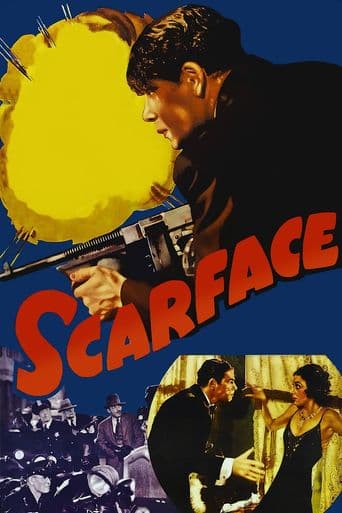
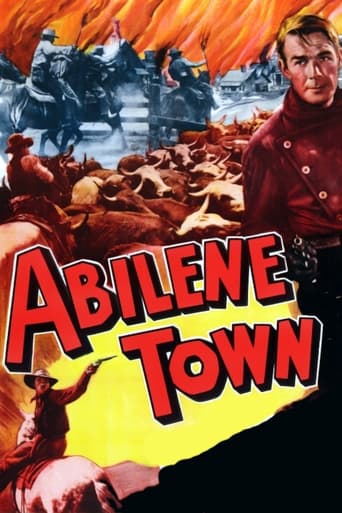
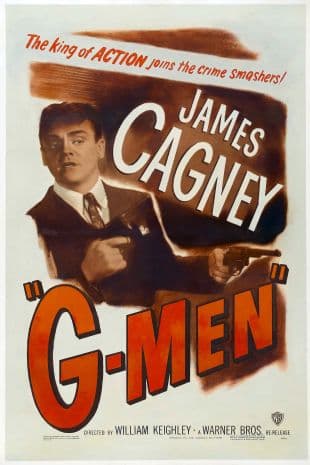
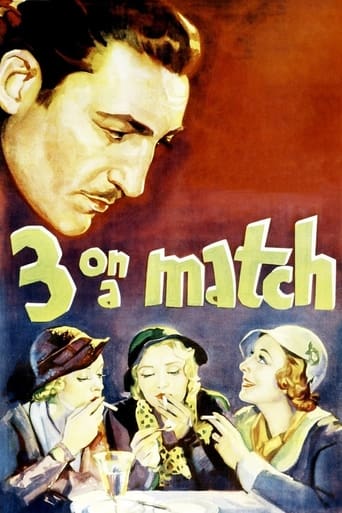
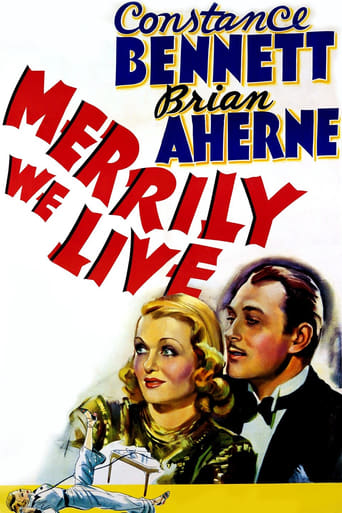
American actress Ann Dvorak was the daughter of silent film director Sam McKim and stage actress Anne Lehr ("Dvorak" was her mother's maiden name). Educated at Page School for Girls in Los Angeles, Dvorak secured work as a chorus dancer in early talking films: she is quite visible amongst the female hoofers in Hollywood Revue of 1929 (1929). Reportedly it was her friend Joan Crawford, a headliner in Hollywood Revue, who introduced Dvorak to multimillionaire Howard Hughes, then busy putting together his film Scarface (1931). Dvorak was put under contract and cast in Scarface as gangster Paul Muni's sister, and despite the strictures of film censorship at the time, the actress' piercing eyes and subtle body language made certain that the "incest" subtext in the script came through loud and clear. Hughes sold Dvorak's contract to Warner Bros., who intended to pay her the relative pittance she'd gotten for Scarface until she decided to retreat to Europe. Warners caved in with a better salary, but it might have been at the expense of Dvorak's starring career. Though she played roles in such films as Three on a Match (1932) and G-Men (1935) with relish, the characters were the sort of "life's losers" who usually managed to expire just before the fadeout, leaving the hero to embrace the prettier, less complex ingenue. Dvorak cornered the market in portraying foredoomed gangster's molls with prolonged death scenes, but they were almost always secondary roles. One of her rare forays into comedy occurred in producer Hal Roach's Merrily We Live (1938), an amusing My Man Godfrey rip-off. In 1940, Dvorak followed her first husband to England, starring there in such wartime films as Squadron Leader X (1941) and This Was Paris (1942). Upon her return to Hollywood in 1945, Dvorak found very little work beyond westerns and melodramas; she did have a bravura role as a cabaret singer held prisoner by the Japanese in I Was an American Spy (1951), but it was produced at second-string Republic Pictures and didn't get top bookings. After Secret of Convict Lake (1951), Dvorak quit film work; she had never found it to be as satisfactory as her stage career, which included a year's run in the 1948 Broadway play The Respectful Prostitute. During her retirement, spent with her third husband, she divided her time between her homes in Malibu and Hawaii, and her passion for collecting rare books.




Ann DvorakAugust 2, 1912 - December 10, 1979 (aged 67)New York, New York, USA
PHOTO CREDIT:
Bio
American actress Ann Dvorak was the daughter of silent film director Sam McKim and stage actress Anne Lehr ("Dvorak" was her mother's maiden name). Educated at Page School for Girls in Los Angeles, Dvorak secured work as a chorus dancer in early talking films: she is quite visible amongst the female hoofers in Hollywood Revue of 1929 (1929). Reportedly it was her friend Joan Crawford, a headliner in Hollywood Revue, who introduced Dvorak to multimillionaire Howard Hughes, then busy putting together his film Scarface (1931). Dvorak was put under contract and cast in Scarface as gangster Paul Muni's sister, and despite the strictures of film censorship at the time, the actress' piercing eyes and subtle body language made certain that the "incest" subtext in the script came through loud and clear. Hughes sold Dvorak's contract to Warner Bros., who intended to pay her the relative pittance she'd gotten for Scarface until she decided to retreat to Europe. Warners caved in with a better salary, but it might have been at the expense of Dvorak's starring career. Though she played roles in such films as Three on a Match (1932) and G-Men (1935) with relish, the characters were the sort of "life's losers" who usually managed to expire just before the fadeout, leaving the hero to embrace the prettier, less complex ingenue. Dvorak cornered the market in portraying foredoomed gangster's molls with prolonged death scenes, but they were almost always secondary roles. One of her rare forays into comedy occurred in producer Hal Roach's Merrily We Live (1938), an amusing My Man Godfrey rip-off. In 1940, Dvorak followed her first husband to England, starring there in such wartime films as Squadron Leader X (1941) and This Was Paris (1942). Upon her return to Hollywood in 1945, Dvorak found very little work beyond westerns and melodramas; she did have a bravura role as a cabaret singer held prisoner by the Japanese in I Was an American Spy (1951), but it was produced at second-string Republic Pictures and didn't get top bookings. After Secret of Convict Lake (1951), Dvorak quit film work; she had never found it to be as satisfactory as her stage career, which included a year's run in the 1948 Broadway play The Respectful Prostitute. During her retirement, spent with her third husband, she divided her time between her homes in Malibu and Hawaii, and her passion for collecting rare books.
Appears In