Bio
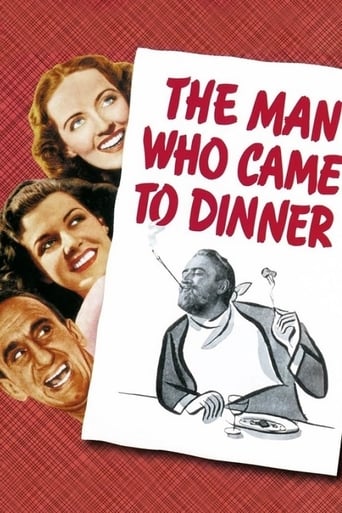
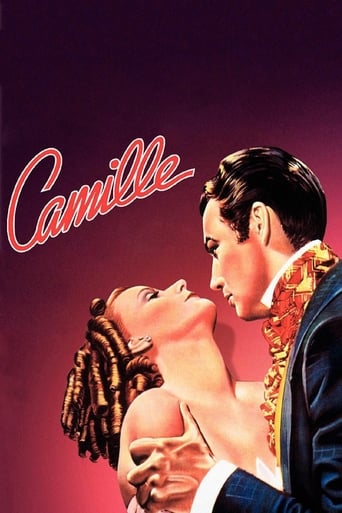
The daughter of an actress and a backstage carpenter, Laura Hope Crews entered the theatre in 1883 at the tender age of four. She left the stage to complete her education, then returned to play ingenue roles. A firmly entrenched character actress by the '20s, Laura fought hard to retain her place in the spotlight, and brooked no nonsense from anyone who didn't take the theatre seriously; at one point, she called for the dismissal of a frivolous newcomer named Bette Davis (Ironically, Crews' last movie role--which had to be cut because the film was running overtime--was in The Man Who Came to Dinner [1941], which top-billed Bette Davis). Laura arrived in Hollywood in 1929, not as an actress, but as a vocal coach for untrained silent-film stars. Easing into films in maternal roles, Crews scored a personal success as the selfish mother in The Silver Cord (1933). The comparative subtlety of her performance in this film is in direct contrast to her outrageously overplayed roles in such pictures as Camille (1936) and The Blue Bird (1940). But Laura Hope Crews was merely giving her fans, and her indulgent directors, what they expected when she commenced to chew the scenery while playing one of her many society matrons, gossips or hypochondriacs.
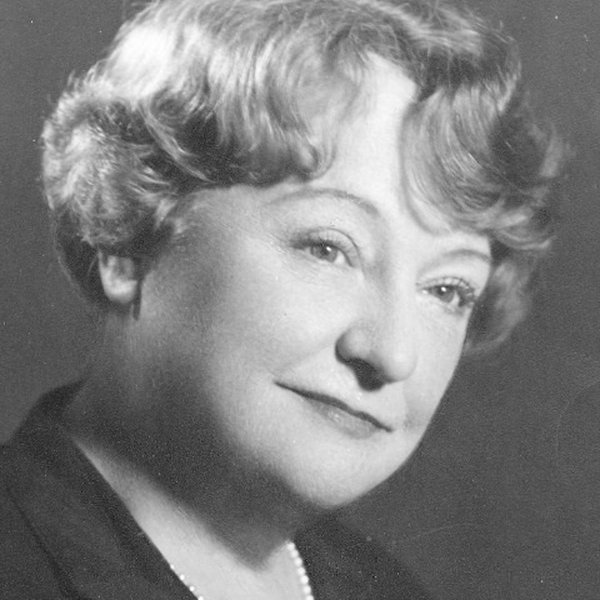
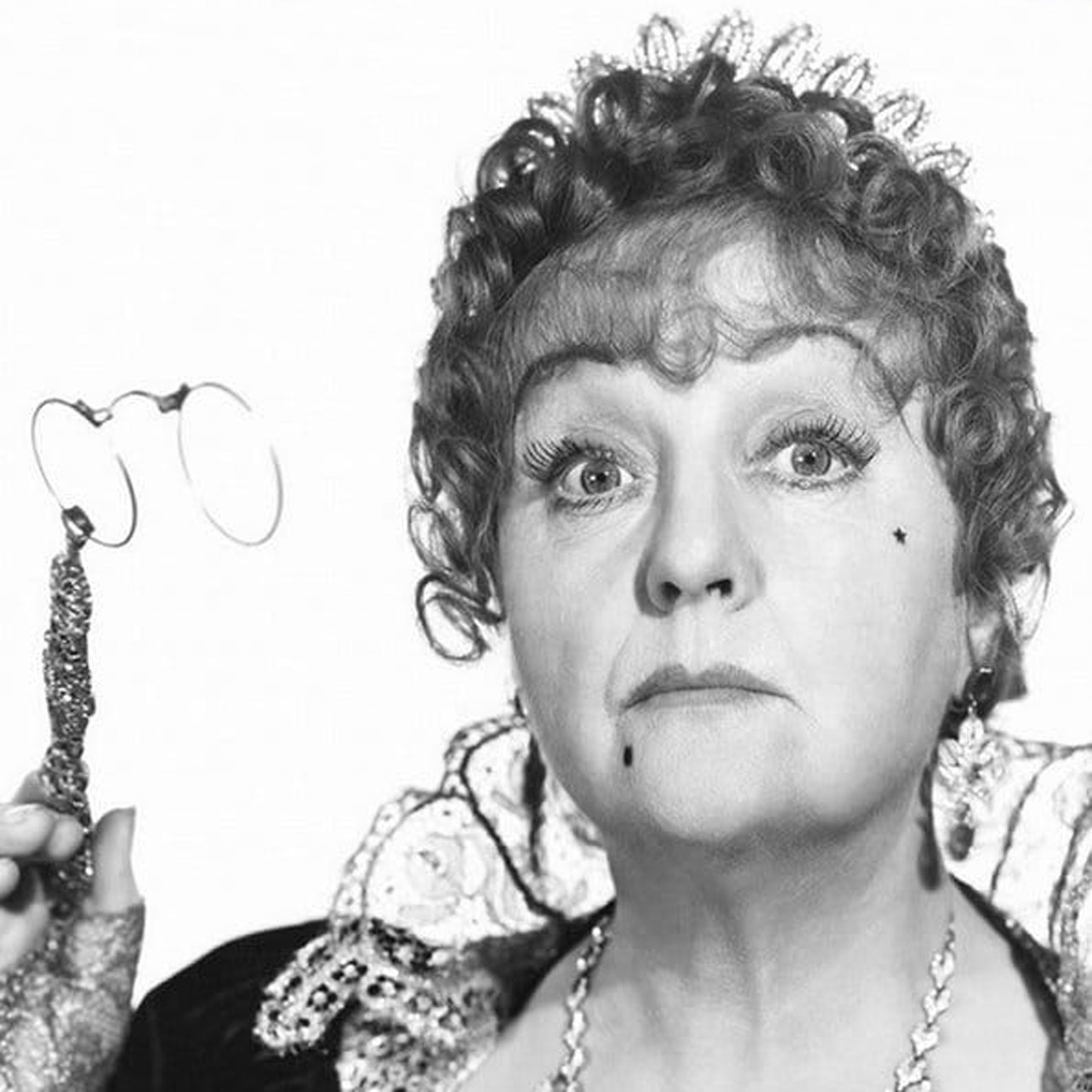
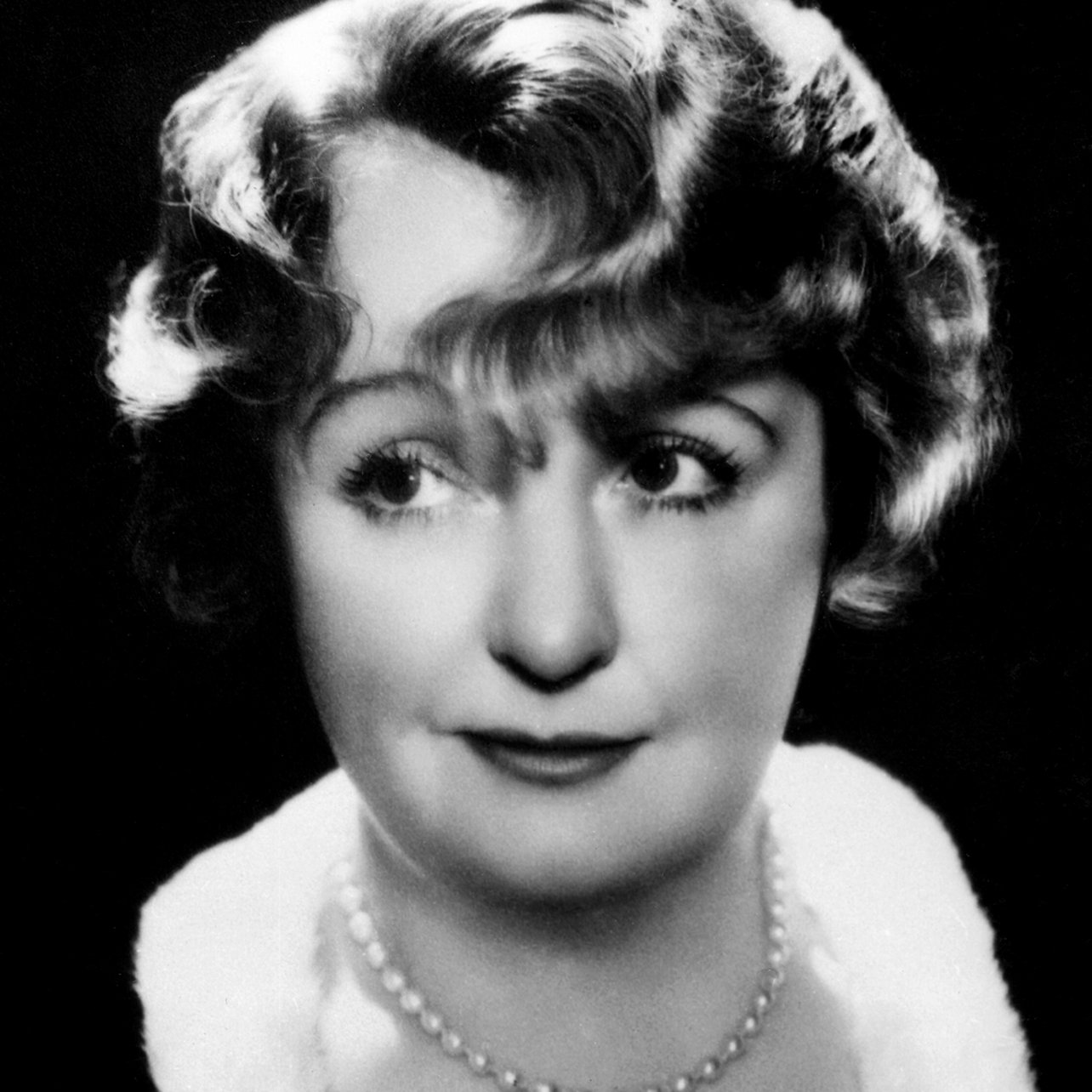


Laura Hope CrewsDecember 12, 1879 - November 13, 1942 (aged 62)San Francisco, California, USA
PHOTO CREDIT:
Bio
The daughter of an actress and a backstage carpenter, Laura Hope Crews entered the theatre in 1883 at the tender age of four. She left the stage to complete her education, then returned to play ingenue roles. A firmly entrenched character actress by the '20s, Laura fought hard to retain her place in the spotlight, and brooked no nonsense from anyone who didn't take the theatre seriously; at one point, she called for the dismissal of a frivolous newcomer named Bette Davis (Ironically, Crews' last movie role--which had to be cut because the film was running overtime--was in The Man Who Came to Dinner [1941], which top-billed Bette Davis). Laura arrived in Hollywood in 1929, not as an actress, but as a vocal coach for untrained silent-film stars. Easing into films in maternal roles, Crews scored a personal success as the selfish mother in The Silver Cord (1933). The comparative subtlety of her performance in this film is in direct contrast to her outrageously overplayed roles in such pictures as Camille (1936) and The Blue Bird (1940). But Laura Hope Crews was merely giving her fans, and her indulgent directors, what they expected when she commenced to chew the scenery while playing one of her many society matrons, gossips or hypochondriacs.
Appears In