Bio
Spanish film director and producer, born in Zaragoza. He studied law in his hometown and debuted as a film critic in the newspaper El Heraldo de Aragón. In Madrid, he joined the Instituto de Investigaciones y Experiencias Cinematográficas. He exerted great influence on the medium from his teaching at the Escuela Oficial de Cinematografía. In 1967 he founded the production company El Imán, Cine y Televisión, with which he has financed his own projects and those of other filmmakers. Of his personal work, two films stand out: Furtivos (1975), Golden Shell at the San Sebastian Festival and a great success for its opposition to the limits of censorship at the beginning of the Spanish Transition, and Leo (2000), which won the Goya for best director. However, both his initial commissions, such as the spaghetti western Brandy (1964) and the crime film Crimen de doble filo (1965), and the controversial later films Tata mía (1986) and Niño Nadie (1996), have had little repercussion. Between 1994 and 1998 he was president of the Academia de las Artes y las Ciencias Cinematográficas de España (Spanish Academy of Motion Picture Arts and Sciences). In 2001 he was elected full member of the Real Academia de Bellas Artes de San Fernando and in 2002 he was awarded the Premio Nacional de Cinematografía.


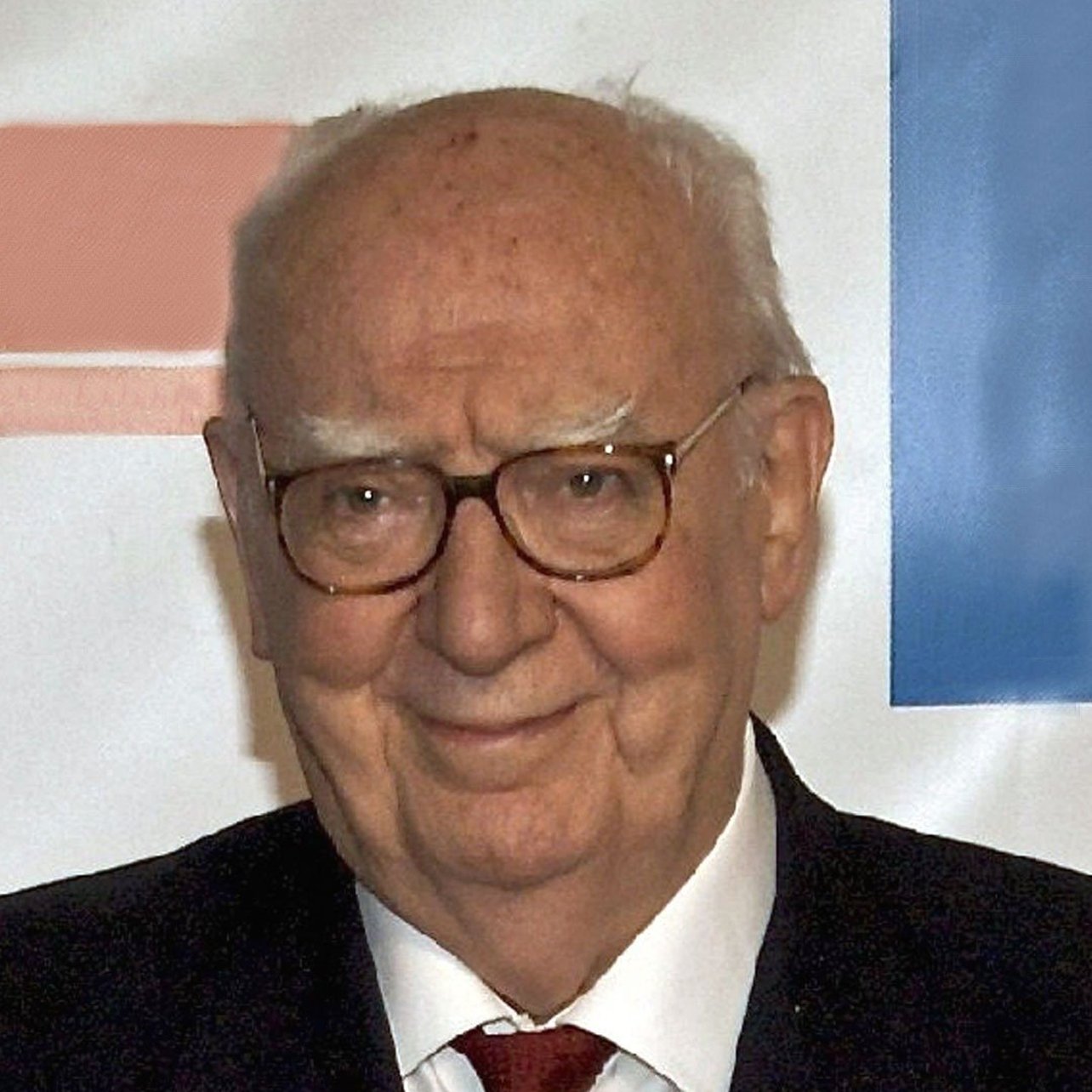


José Luis BorauAugust 8, 1929 - November 23, 2012 (aged 83)Zaragoza, Aragón, Spain
Bio
Spanish film director and producer, born in Zaragoza. He studied law in his hometown and debuted as a film critic in the newspaper El Heraldo de Aragón. In Madrid, he joined the Instituto de Investigaciones y Experiencias Cinematográficas. He exerted great influence on the medium from his teaching at the Escuela Oficial de Cinematografía. In 1967 he founded the production company El Imán, Cine y Televisión, with which he has financed his own projects and those of other filmmakers. Of his personal work, two films stand out: Furtivos (1975), Golden Shell at the San Sebastian Festival and a great success for its opposition to the limits of censorship at the beginning of the Spanish Transition, and Leo (2000), which won the Goya for best director. However, both his initial commissions, such as the spaghetti western Brandy (1964) and the crime film Crimen de doble filo (1965), and the controversial later films Tata mía (1986) and Niño Nadie (1996), have had little repercussion. Between 1994 and 1998 he was president of the Academia de las Artes y las Ciencias Cinematográficas de España (Spanish Academy of Motion Picture Arts and Sciences). In 2001 he was elected full member of the Real Academia de Bellas Artes de San Fernando and in 2002 he was awarded the Premio Nacional de Cinematografía.
Appears In