Bio
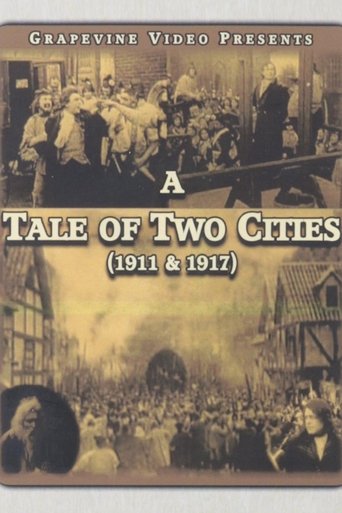
American actress Norma Talmadge began her career as a model for the illustrated slides which were projected on the screen during movie house "singalongs." Norma's ambitious mother Peg Talmadge then bundled her daughter off to the Vitagraph Studios in Brooklyn, where Norma scored her first cinema success in the small role of the seamstress in A Tale of Two Cities (1911). Thanks to her own good looks and talent and her mother's dynamic promotional skills, Talmadge worked up the ladder to leading-lady status; her stock in the film world began to really soar when she married influential movie executive Joseph M. Schenck, who set up his wife in her own film production company. Norma's specialty was tear-stained drama, reaching a plateau in the 1926 weeper Kiki. Even as Norma's star ascended, her sister Constance became a film favorite in her own right, conversely specializing in comedies; a third Talmadge sister, Natalie, made only a handful of films before retiring to marry comedian Buster Keaton. In 1929, Norma made an ill-advised entry into talking pictures, where her flat Brooklyn accent was at odds with her glamorous screen personality. After filming the notorious DuBarry, Woman of Passion (1930), Norma Talmadge retired, an extraordinarily wealthy woman. Once leaving the movie world, Norma rid herself of all the duties and responsibilities of stardom; when approached by autograph seekers, she would wave them off with a "Go away, my dears. I don't need you anymore."
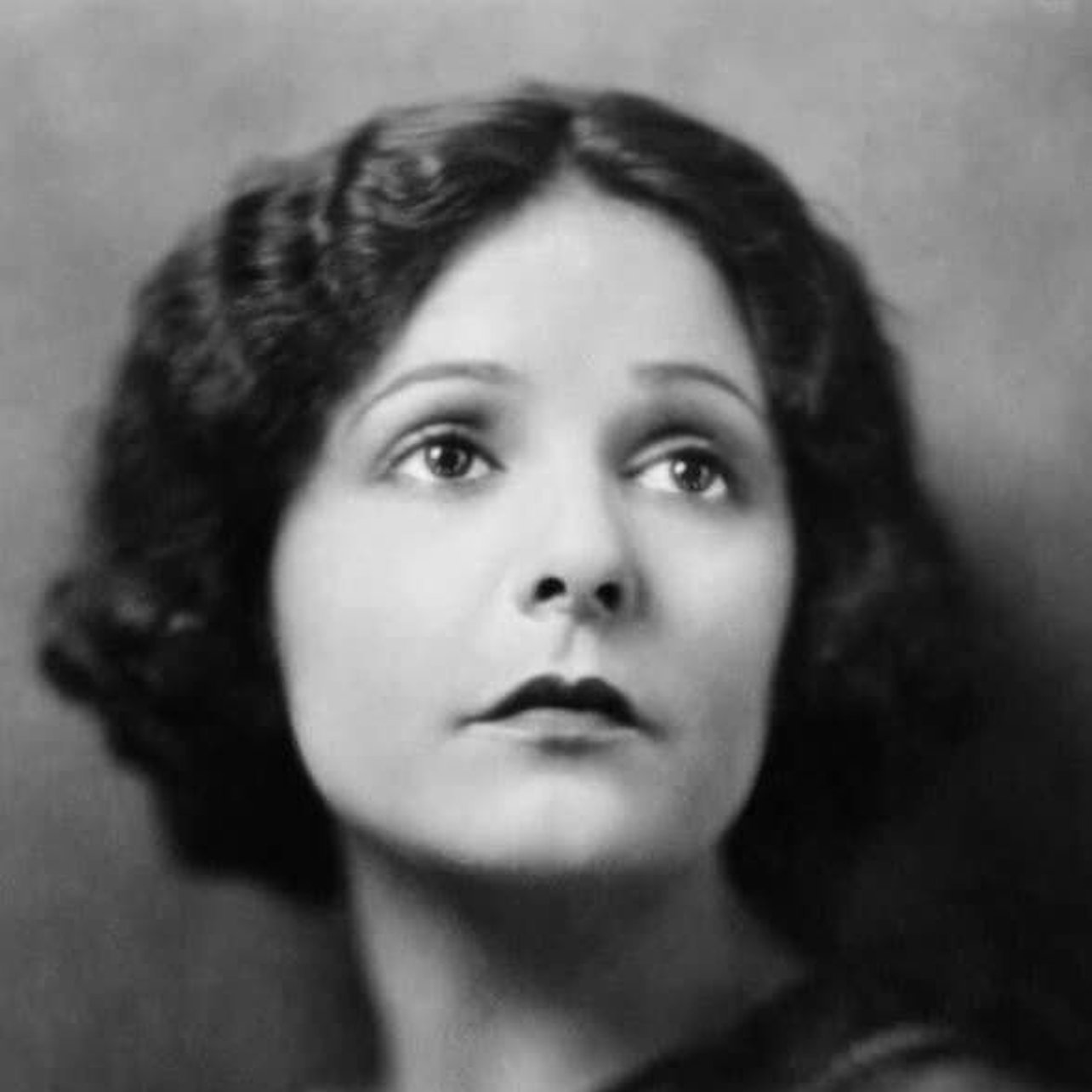


Norma TalmadgeMay 26, 1897 - December 24, 1957 (aged 60)
PHOTO CREDIT:
Bio
American actress Norma Talmadge began her career as a model for the illustrated slides which were projected on the screen during movie house "singalongs." Norma's ambitious mother Peg Talmadge then bundled her daughter off to the Vitagraph Studios in Brooklyn, where Norma scored her first cinema success in the small role of the seamstress in A Tale of Two Cities (1911). Thanks to her own good looks and talent and her mother's dynamic promotional skills, Talmadge worked up the ladder to leading-lady status; her stock in the film world began to really soar when she married influential movie executive Joseph M. Schenck, who set up his wife in her own film production company. Norma's specialty was tear-stained drama, reaching a plateau in the 1926 weeper Kiki. Even as Norma's star ascended, her sister Constance became a film favorite in her own right, conversely specializing in comedies; a third Talmadge sister, Natalie, made only a handful of films before retiring to marry comedian Buster Keaton. In 1929, Norma made an ill-advised entry into talking pictures, where her flat Brooklyn accent was at odds with her glamorous screen personality. After filming the notorious DuBarry, Woman of Passion (1930), Norma Talmadge retired, an extraordinarily wealthy woman. Once leaving the movie world, Norma rid herself of all the duties and responsibilities of stardom; when approached by autograph seekers, she would wave them off with a "Go away, my dears. I don't need you anymore."
Appears In