Bio
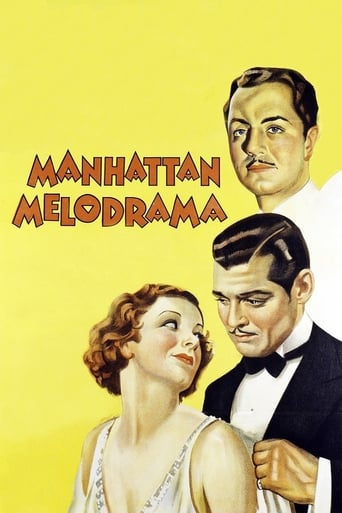
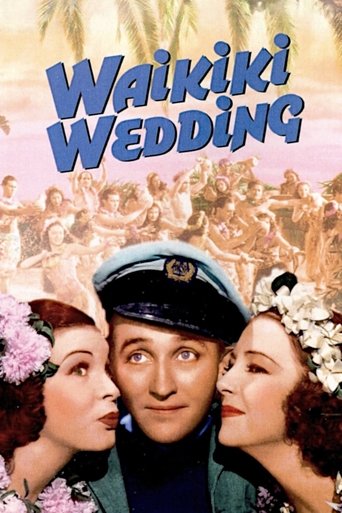
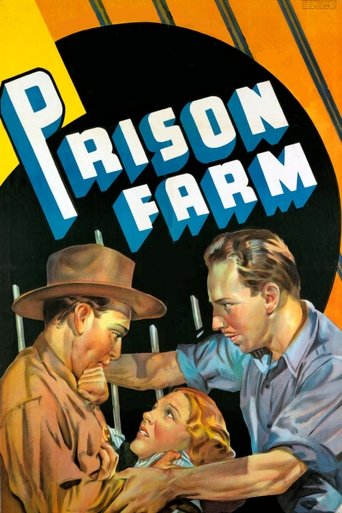
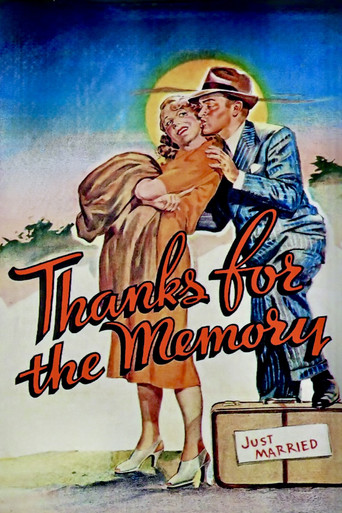
Blonde band vocalist Shirley Ross came to films after fronting a popular radio and nightclub singing quartet. Her first notable film assignment was in blackface as a Harlem songstress in 1934's Manhattan Melodrama, in which she introduced the Rodgers and Hart standard "Blue Moon" (which in that film had different lyrics and a different title). She was signed to a Paramount contract shortly afterward, appearing opposite Bing Crosby in Waikiki Wedding (1937) and incongruously starring in the crime melodrama Prison Farm (1938). Her most famous moment in films occurred in The Big Broadcast of 1938, wherein she and Bob Hope introduced Hope's signature tune "Thanks for the Memory." After co-starring with Hope in two subsequent films, Shirley Ross was seen in only a handful of pictures before closing out her Hollywood career in 1945.
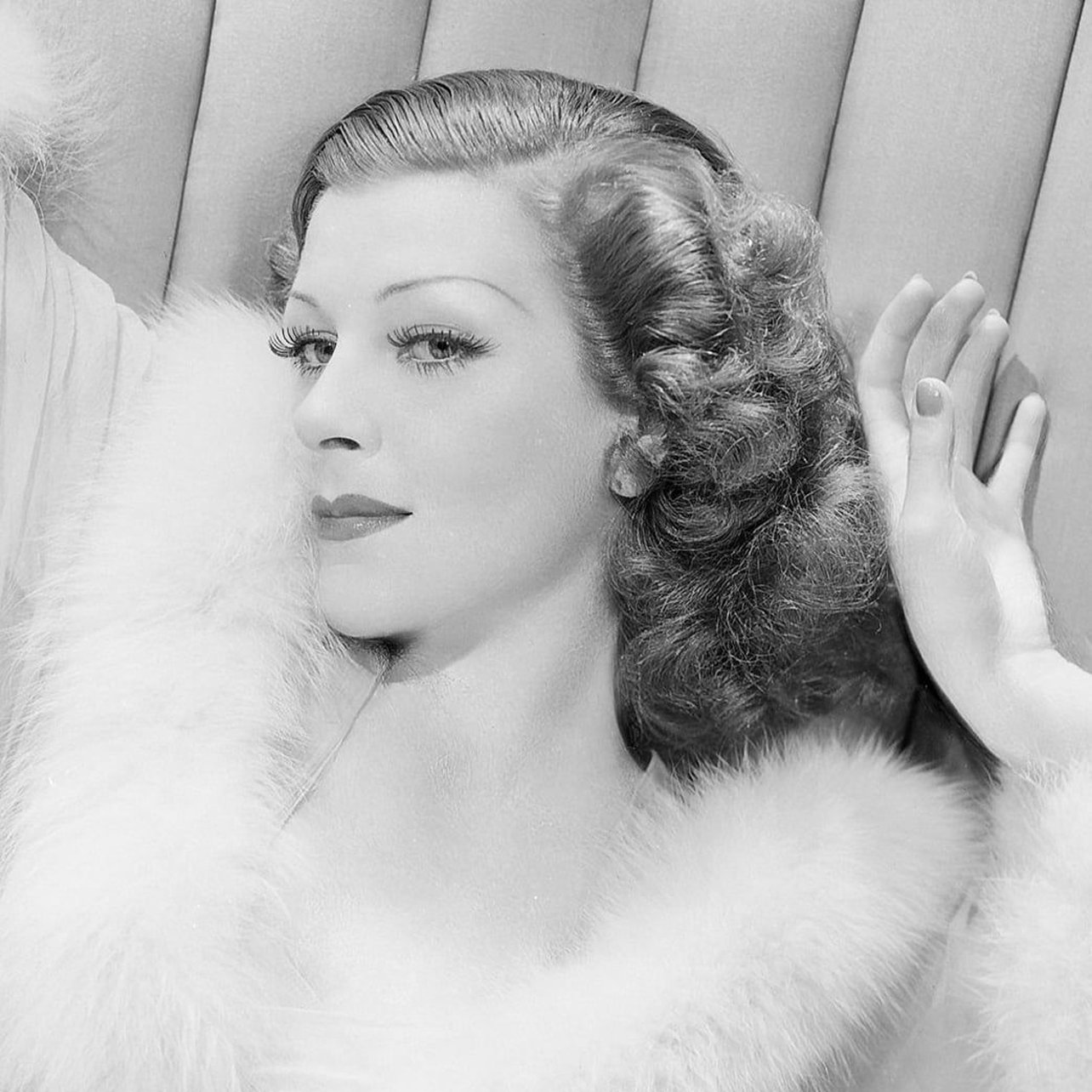


Shirley RossJanuary 7, 1909 - March 9, 1975 (aged 66)
PHOTO CREDIT:
Bio
Blonde band vocalist Shirley Ross came to films after fronting a popular radio and nightclub singing quartet. Her first notable film assignment was in blackface as a Harlem songstress in 1934's Manhattan Melodrama, in which she introduced the Rodgers and Hart standard "Blue Moon" (which in that film had different lyrics and a different title). She was signed to a Paramount contract shortly afterward, appearing opposite Bing Crosby in Waikiki Wedding (1937) and incongruously starring in the crime melodrama Prison Farm (1938). Her most famous moment in films occurred in The Big Broadcast of 1938, wherein she and Bob Hope introduced Hope's signature tune "Thanks for the Memory." After co-starring with Hope in two subsequent films, Shirley Ross was seen in only a handful of pictures before closing out her Hollywood career in 1945.
Appears In