Bio
Contemporary Australian filmmaker Fred Schepisi was born in Melbourne, the son of a used car dealer. At age 15, he dropped out of Roman Catholic boarding school and briefly worked as a mechanic at his father's lot before becoming a courier at an advertising agency in 1955. In time he was promoted to copy writer, and eventually became a director of commercials. During this time, he also wrote and directed documentaries such as People Make Papers, which won a Golden Reel at the Australian Film Institute Awards. Schepisi left the agency in 1966 to form the Film House, his own production company where he continued making distinguished documentaries and commercials. At this time, he was becoming interested in making feature films. He got his first opportunity when he directed a vignette in the episodic film Libido (1973), but he did not make his feature-length debut until 1976 with The Devil's Playground. The film demonstrated Schepisi's technical skill, and won several Australian Film Awards including Best Film, Best Direction, and Best Screenplay. His next film, The Chant of Jimmie Blacksmith (1978), was also well received and paved the way to his making films in the U.S., the first of which was the Western Barbarosa (1982). Though the films of Schepisi are highly regarded by the critical elite, they are not always commercially successful, and Barbarosa was no exception. His next two films suffered similar fates, and he did not score a box-office hit until he made Roxanne (1987), Steve Martin's contemporary adaptation of Cyrano de Bergerac. He scored again with his Australian-made dramatization of the Dingo Baby Case, A Cry in the Dark (1988), featuring Meryl Streep and Sam Neill. Since then, Schepisi has continued to produce consistently entertaining, high-quality productions.
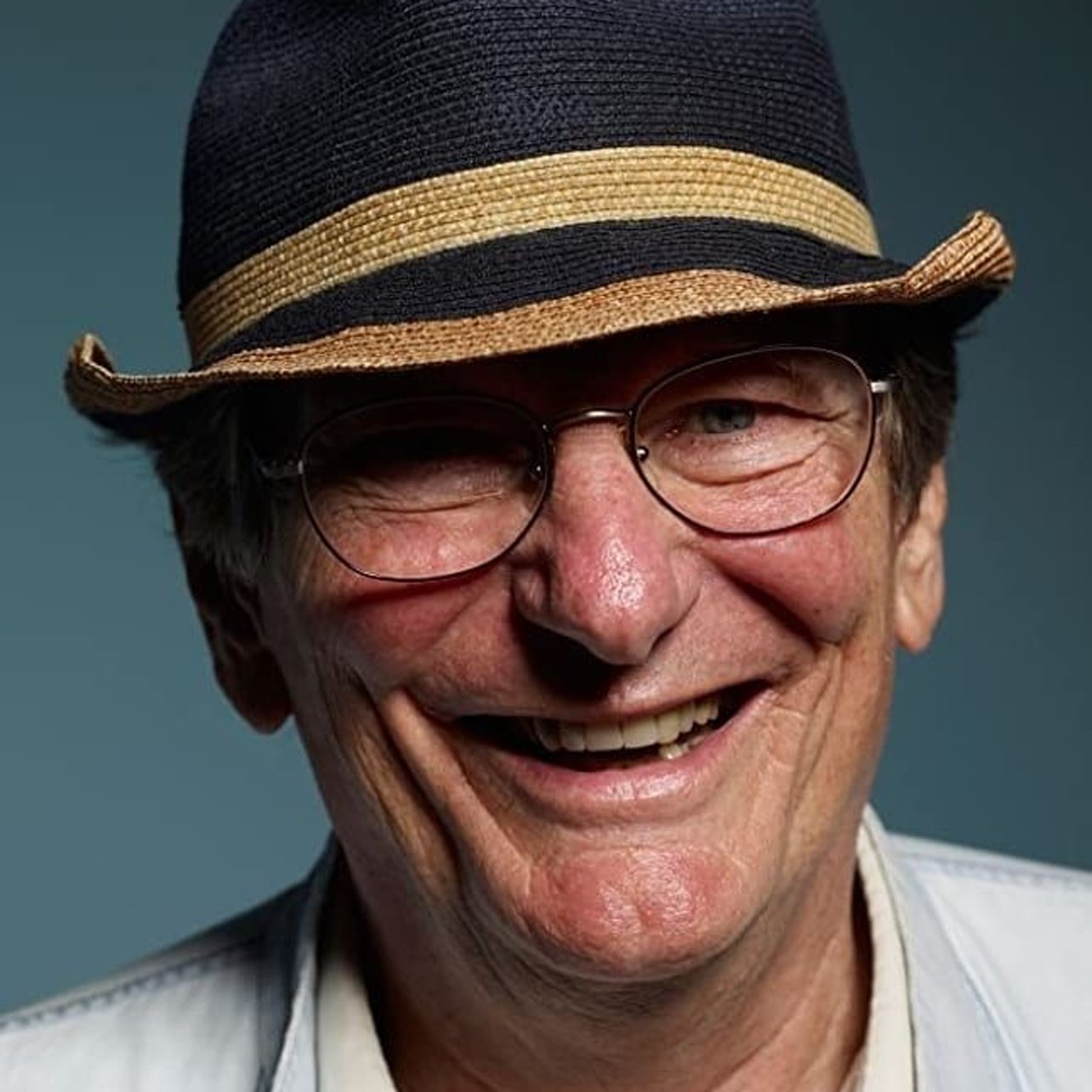


Fred SchepisiDecember 26, 1936 (age 89)
PHOTO CREDIT:
Bio
Contemporary Australian filmmaker Fred Schepisi was born in Melbourne, the son of a used car dealer. At age 15, he dropped out of Roman Catholic boarding school and briefly worked as a mechanic at his father's lot before becoming a courier at an advertising agency in 1955. In time he was promoted to copy writer, and eventually became a director of commercials. During this time, he also wrote and directed documentaries such as People Make Papers, which won a Golden Reel at the Australian Film Institute Awards. Schepisi left the agency in 1966 to form the Film House, his own production company where he continued making distinguished documentaries and commercials. At this time, he was becoming interested in making feature films. He got his first opportunity when he directed a vignette in the episodic film Libido (1973), but he did not make his feature-length debut until 1976 with The Devil's Playground. The film demonstrated Schepisi's technical skill, and won several Australian Film Awards including Best Film, Best Direction, and Best Screenplay. His next film, The Chant of Jimmie Blacksmith (1978), was also well received and paved the way to his making films in the U.S., the first of which was the Western Barbarosa (1982). Though the films of Schepisi are highly regarded by the critical elite, they are not always commercially successful, and Barbarosa was no exception. His next two films suffered similar fates, and he did not score a box-office hit until he made Roxanne (1987), Steve Martin's contemporary adaptation of Cyrano de Bergerac. He scored again with his Australian-made dramatization of the Dingo Baby Case, A Cry in the Dark (1988), featuring Meryl Streep and Sam Neill. Since then, Schepisi has continued to produce consistently entertaining, high-quality productions.
Appears In