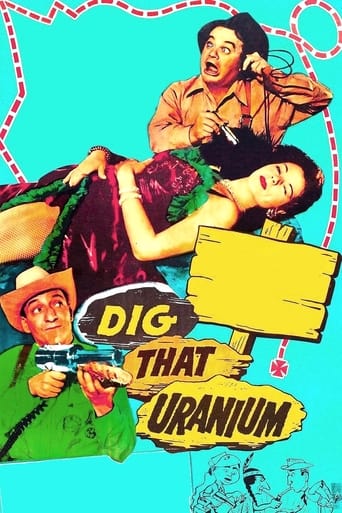
Bio
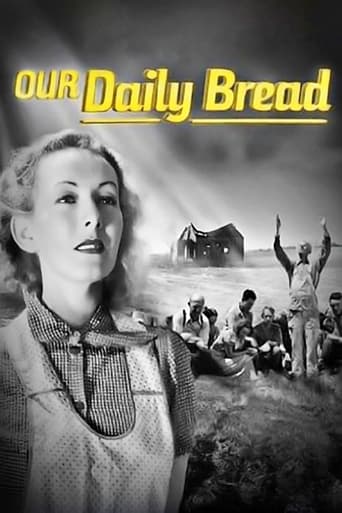
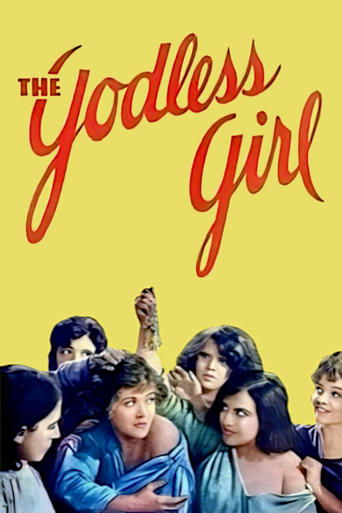
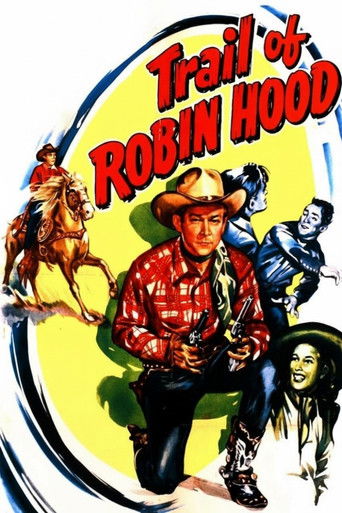
Born in an upstate New York rural community, George Duryea was raised by relatives when both his parents died young. Educated at Columbia University and Carnegie Tech, Duryea embarked upon an acting career, first with a Maine stock company, then on Broadway. He played Abie in the hit comedy Abie's Irish Rose in New York, then toured with the production for several seasons. In 1928, he was brought to films as a young leading man, appearing in such "A"-list productions as Cecil B. DeMille's The Godless Girl (1929). By 1930, however, he was having trouble securing work that is, until he changed his name to Tom Keene and signed on as RKO-Pathe's resident cowboy star. Throughout the early 1930s, Keene's western vehicles played profitably if not spectacularly in neighborhood houses throughout the country. He made a brief return to dramatic roles as the leading character in King Vidor's populist classic Our Daily Bread (1934), but returned to westerns when his performance was drubbed by the critics. When George O'Brien succeed Keene at RKO, the latter moved on to smaller studios, retaining his popularity into the early 1940s. In 1944, he adopted a new nom de film, Richard Powers, and flourished as a character actor into the 1950s. He briefly returned to his "Tom Keene" persona in the all-star western "special" Trail of Robin Hood (1950) and the 1958 Rowan & Martin cowboy spoof Once Upon a Horse (1958). One of George Duryea/Tom Keene/Richard Powers' final appearances was in the deathless Ed Wood Jr. opus Plan 9 From Outer Space.
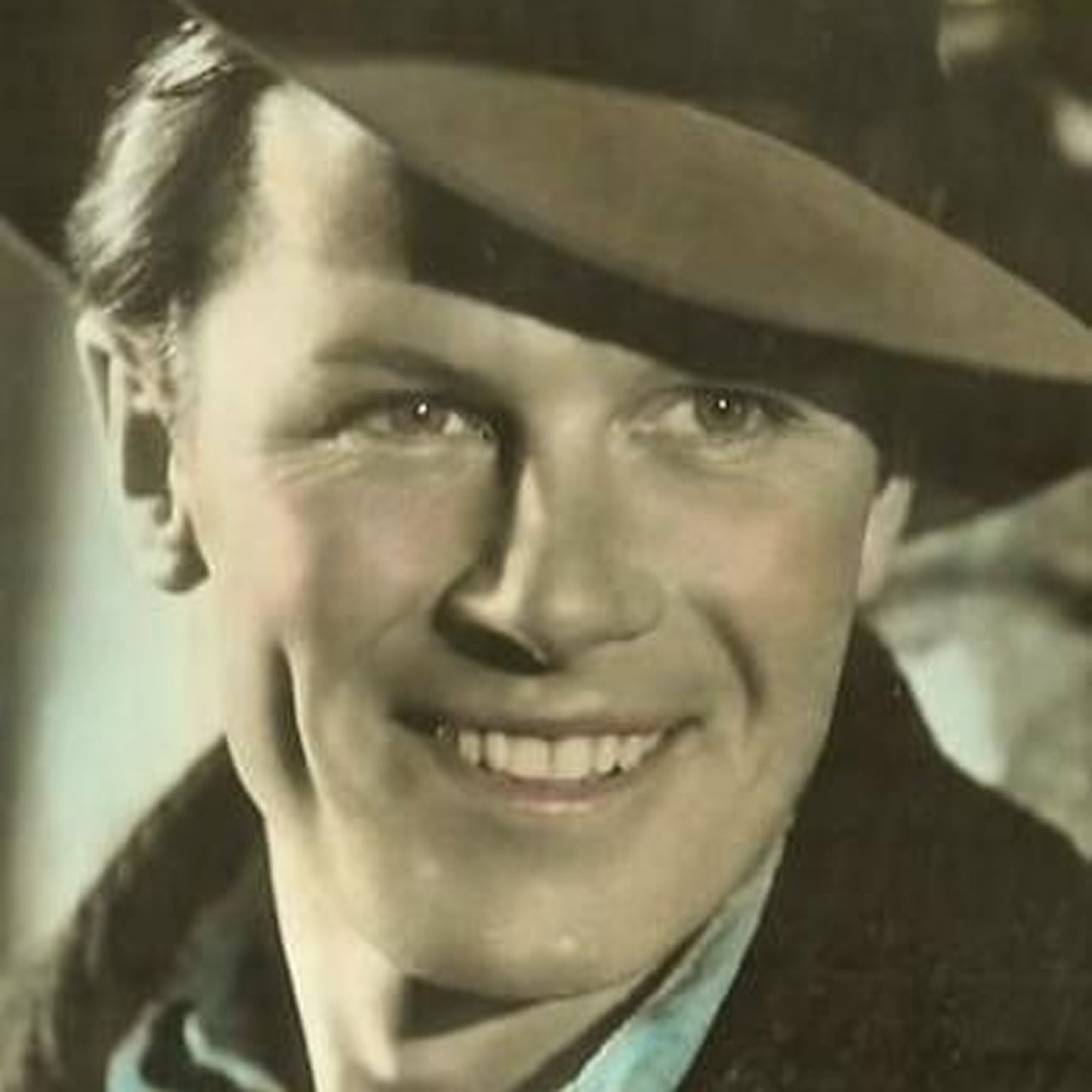


Tom KeeneDecember 20, 1898 - August 6, 1963 (aged 64)
PHOTO CREDIT:
Bio
Born in an upstate New York rural community, George Duryea was raised by relatives when both his parents died young. Educated at Columbia University and Carnegie Tech, Duryea embarked upon an acting career, first with a Maine stock company, then on Broadway. He played Abie in the hit comedy Abie's Irish Rose in New York, then toured with the production for several seasons. In 1928, he was brought to films as a young leading man, appearing in such "A"-list productions as Cecil B. DeMille's The Godless Girl (1929). By 1930, however, he was having trouble securing work that is, until he changed his name to Tom Keene and signed on as RKO-Pathe's resident cowboy star. Throughout the early 1930s, Keene's western vehicles played profitably if not spectacularly in neighborhood houses throughout the country. He made a brief return to dramatic roles as the leading character in King Vidor's populist classic Our Daily Bread (1934), but returned to westerns when his performance was drubbed by the critics. When George O'Brien succeed Keene at RKO, the latter moved on to smaller studios, retaining his popularity into the early 1940s. In 1944, he adopted a new nom de film, Richard Powers, and flourished as a character actor into the 1950s. He briefly returned to his "Tom Keene" persona in the all-star western "special" Trail of Robin Hood (1950) and the 1958 Rowan & Martin cowboy spoof Once Upon a Horse (1958). One of George Duryea/Tom Keene/Richard Powers' final appearances was in the deathless Ed Wood Jr. opus Plan 9 From Outer Space.
Appears In